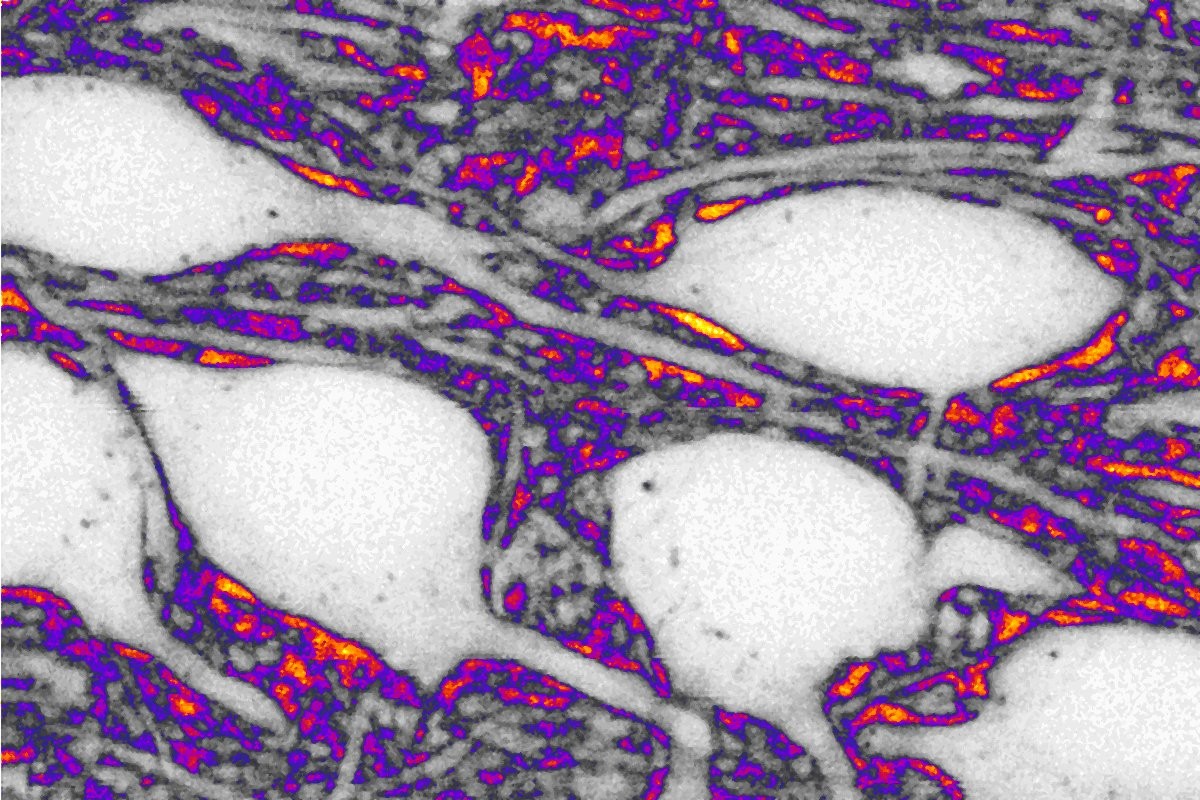
The brain works through electrical signals that allow neurons to communicate. The KCNQ2 gene is one of the molecular components that makes this possible.
For National Epilepsy Day, the Biofisika Institute highlights its research on KCNQ2, a gene associated with a rare and severe epilepsy that appears during the first days or weeks of life.
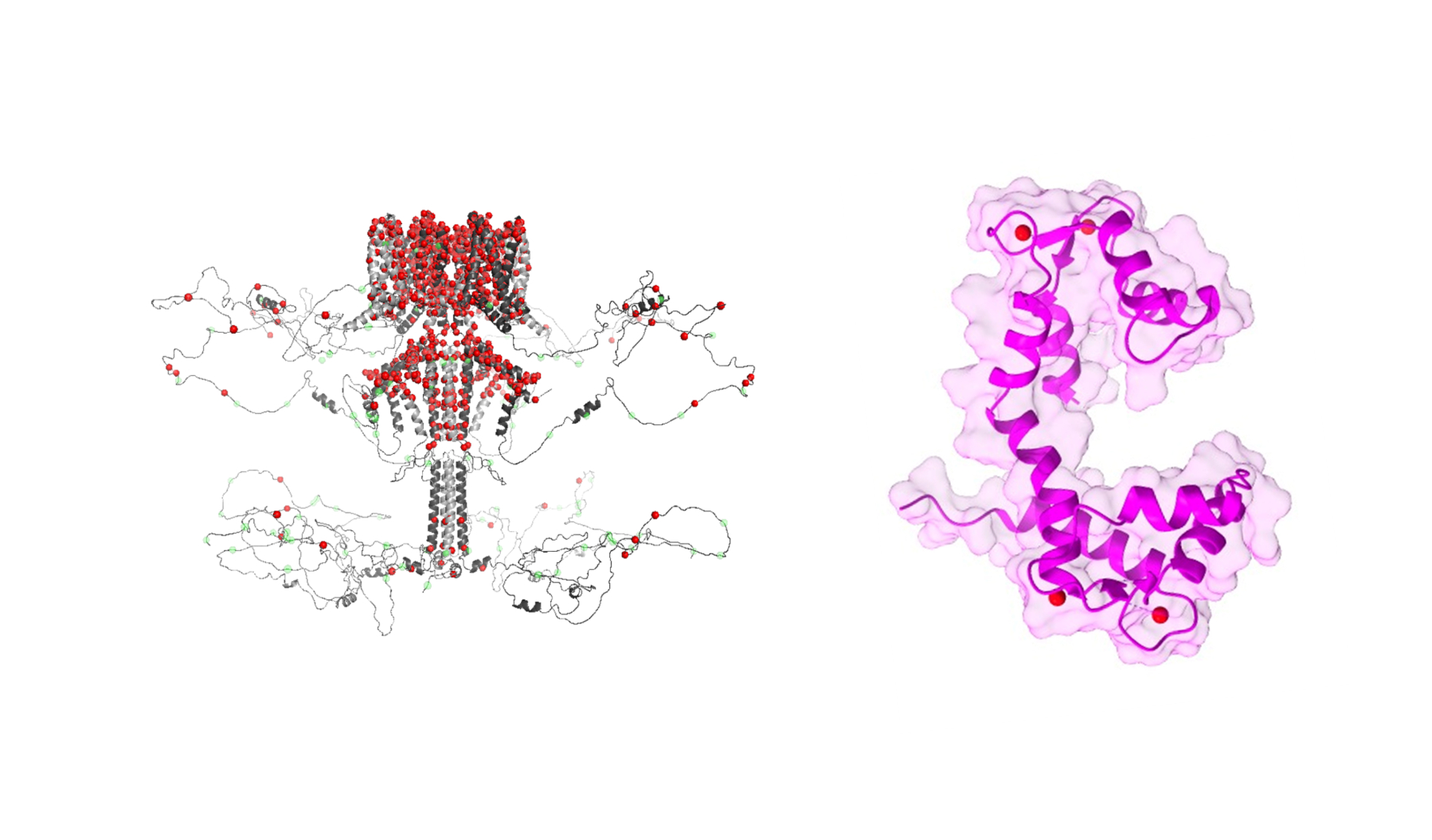
KCNQ2 encodes the Kv7.2 ion channel, a molecular gate that regulates neuronal electrical activity and helps prevent excessive excitation. The channel can be compared with a two-position tap: first it is primed, and then it opens to let potassium flow and stabilise neuronal activity.
The Biofisika team has found that a cellular redox signal can move the channel directly into its active state. This regulation is relevant because an altered redox balance, known as oxidative stress, is linked not only to epilepsy but also to stroke, Parkinson’s disease and Alzheimer’s disease.
Identifying the precise regions of the channel that respond to this signal may support more selective drugs. Artificial intelligence and computational modelling are being used to simulate interactions before compounds are synthesised.
The group is also investigating regulatory proteins such as calmodulin. Postdoctoral researcher Sara Alicante has played a central role in identifying the redox mechanism and the additional genes involved in its control.
The work is supported by the commitment of affected families and organisations such as the KCNQ2 Foundation, whose activity helps make rare epilepsy visible and sustains research.