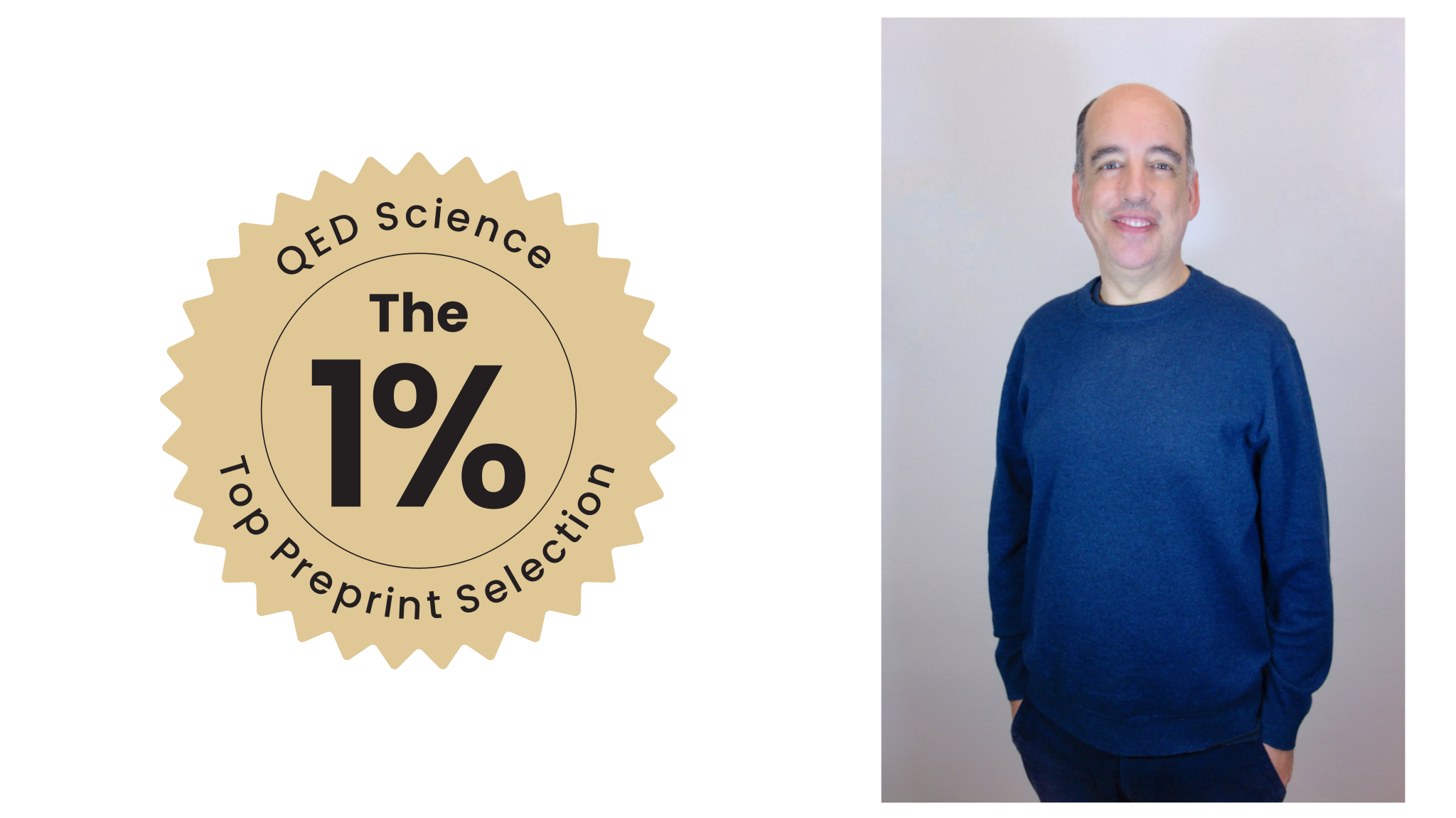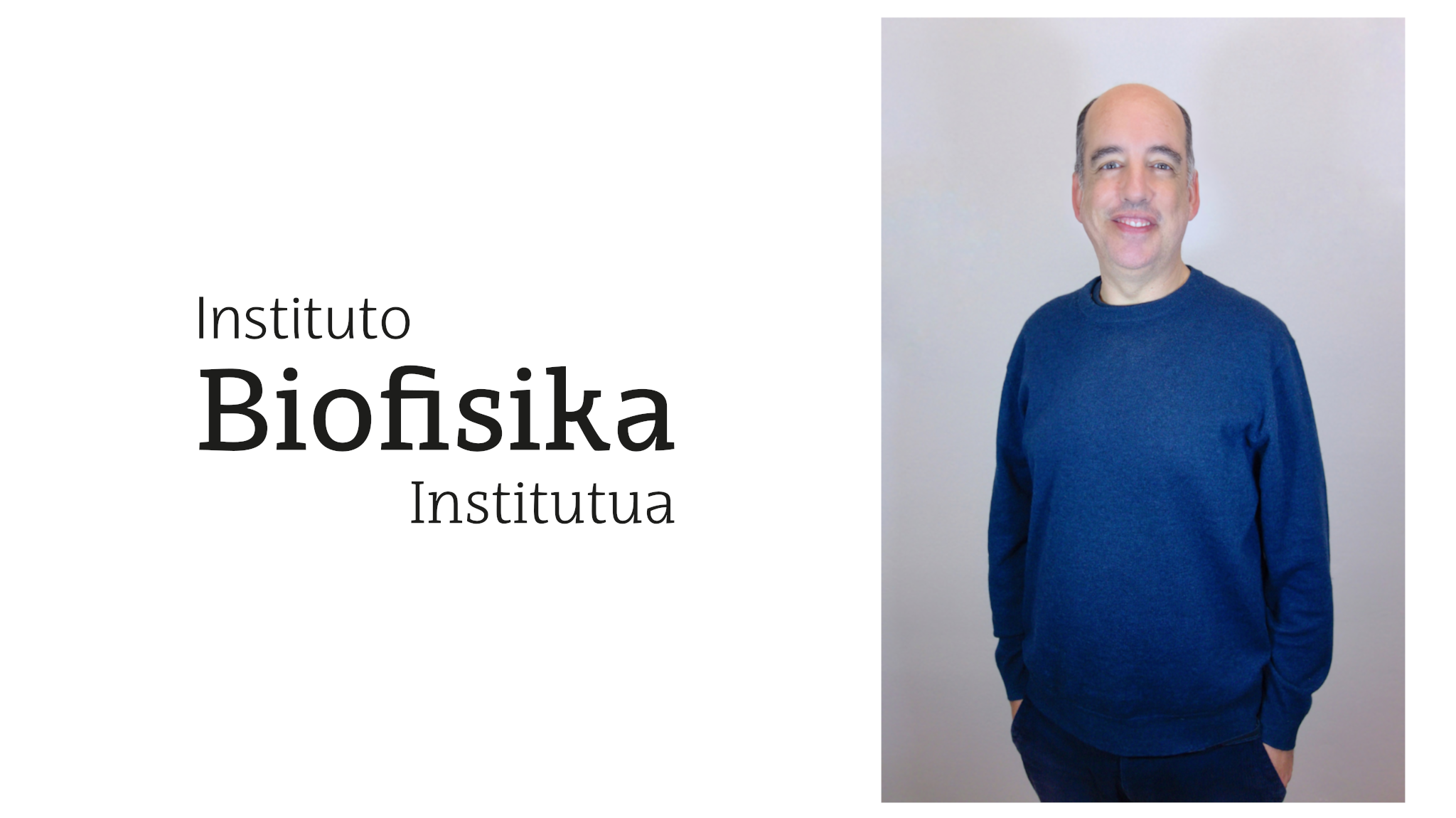
The Biofisika Institute welcomes Sergi Padilla-Parra, who joins the centre as an Ikerbasque professor after working at King’s College London. He brings extensive international experience in biophotonics and in the biophysics of pathogen–host interactions.
His appointment strengthens the Imaging-Empowered Multiscale Biophysics programme and opens a new line in cryo-photonics, particularly cryo-correlative light and electron microscopy.
Padilla-Parra studied chemistry at Lund University and later developed mathematical models for biological systems at the Niels Bohr Institute. He completed a Marie Curie-funded doctorate at the Institut Jacques Monod in Paris, where he developed fluorescence-lifetime microscopy methods for studying host–pathogen interactions.
At Emory University he investigated retrovirus entry and fusion using time-resolved fluorescence microscopy, including single-virus tracking and functional fusion assays. This period also included collaboration with Biofisika researcher José Requejo.
He subsequently established an independent laboratory through a Leadership Fellowship at the University of Oxford and an ERC Consolidator Grant. His team has investigated enveloped retroviruses, especially HIV, using live-cell and single-molecule imaging, clarifying where viral fusion occurs in different cell types and how the process develops over time.