The Biofisika Institute and several Basque institutions are studying CTNNB1 syndrome, a rare disorder associated with alterations in the beta-catenin protein.
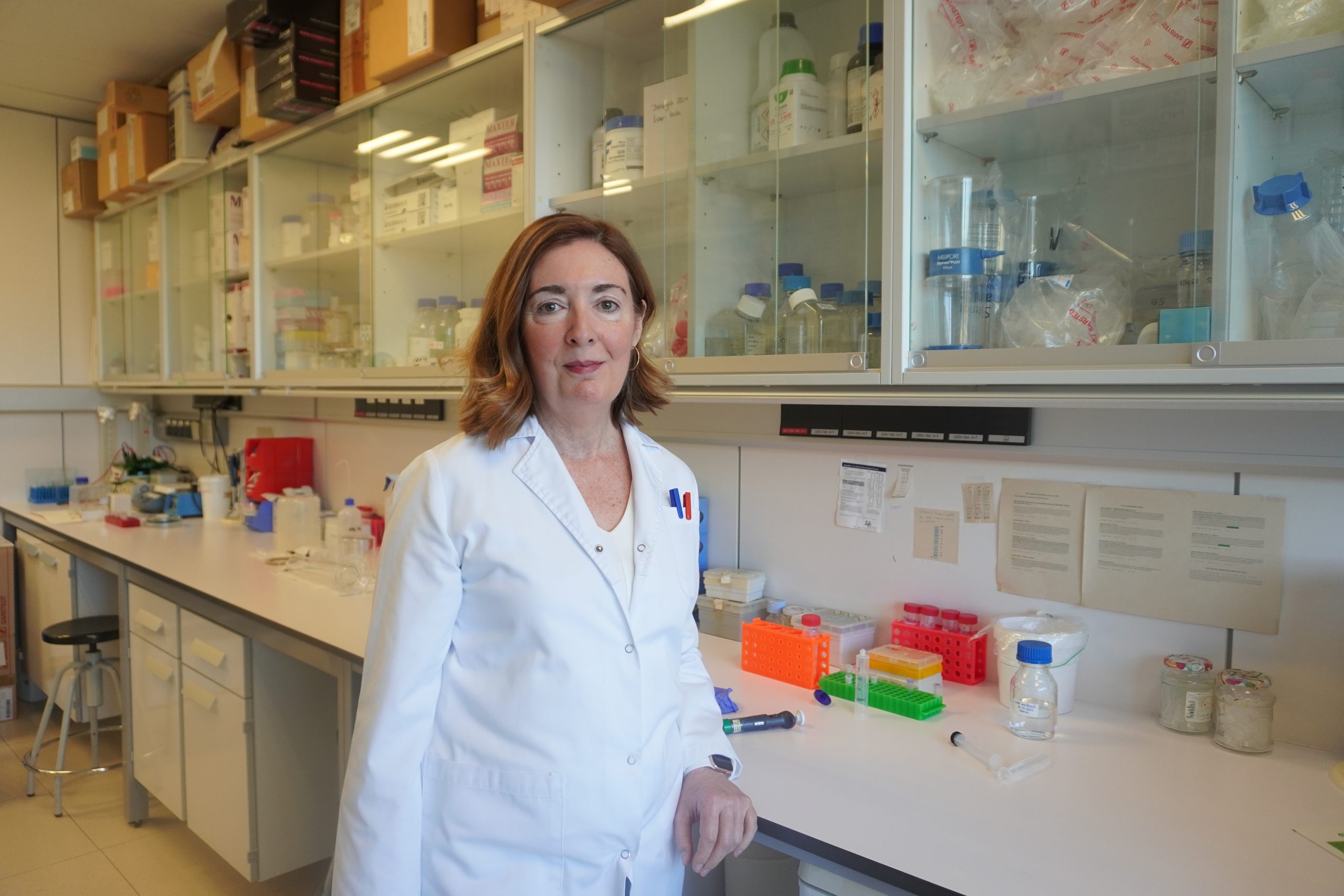
Fewer than 50 cases are known in Spain, although rare diseases collectively affect nearly three million people. The project seeks to explain the molecular origin of the syndrome and includes the participation of Biofisika researcher and EHU lecturer Sonia Bañuelos.
The work is being conducted with neuropsychologists at the University of Deusto, molecular geneticists at the Biobizkaia Institute, the brain-organoid platform at the Achucarro Basque Center for Neuroscience and the Spanish Association of CTNNB1 Patients.
A key protein for proper brain development
Beta-catenin is essential during embryonic development and in adult tissues. It contributes to cell adhesion and to the formation and plasticity of synapses. Many CTNNB1 mutations produce incomplete or misfolded proteins that cannot fulfil these functions, disrupting important stages of brain development.
AI, biophysics and brain organoids
The Biofisika team uses three-dimensional protein structures and computational tools to predict how mutations alter interactions between beta-catenin and cadherin. These predictions are tested with biophysical techniques using protein variants based on cases identified in the Spanish cohort.
Brain organoids provide a model for observing how these alterations affect developing nervous tissue. Although this is fundamental research, the findings may guide the rational design of future therapies.
Supporting research into rare diseases
The institute stresses that understanding disease mechanisms is an essential first step towards treatment and that continued support for rare-disease research is crucial for affected families.